





Reverse Osmosis Membrane Filter Element
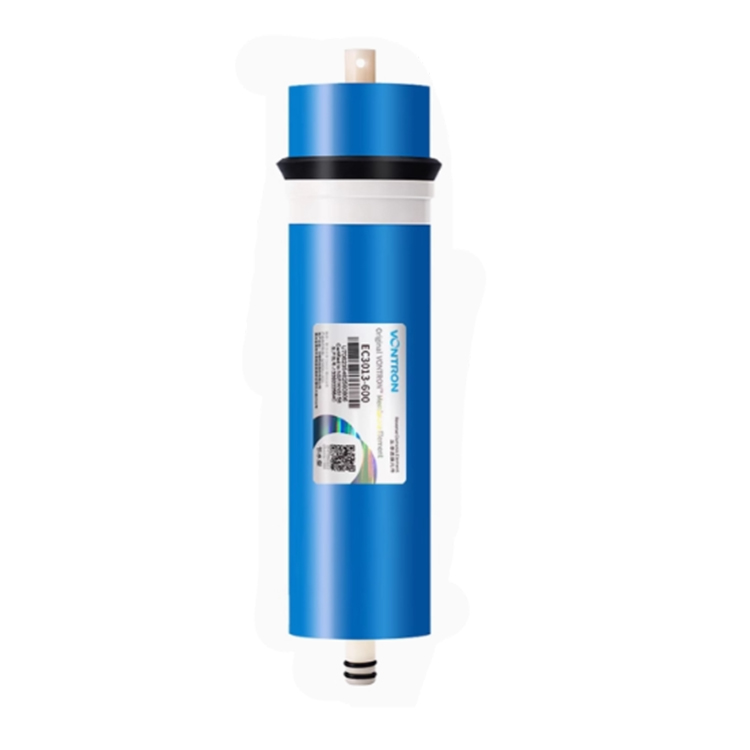
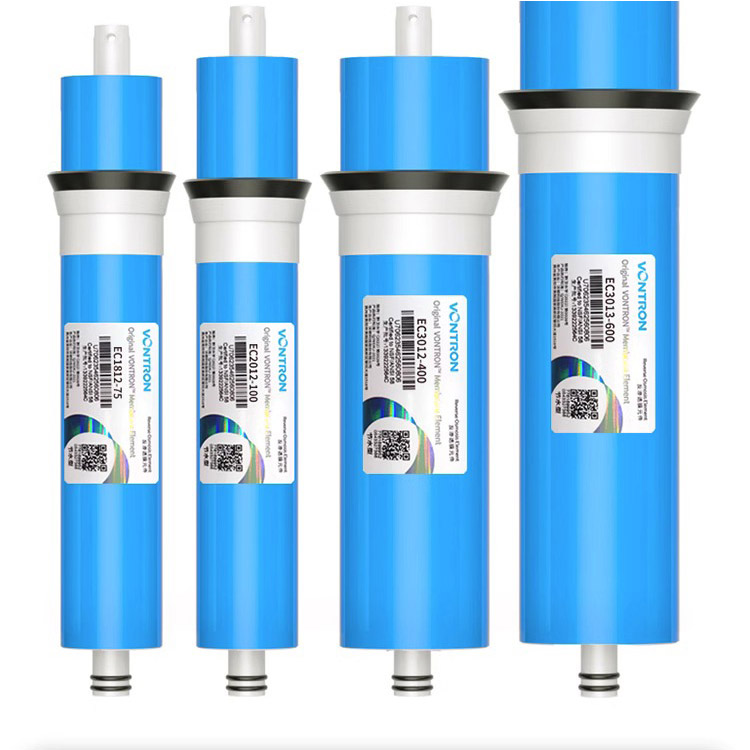
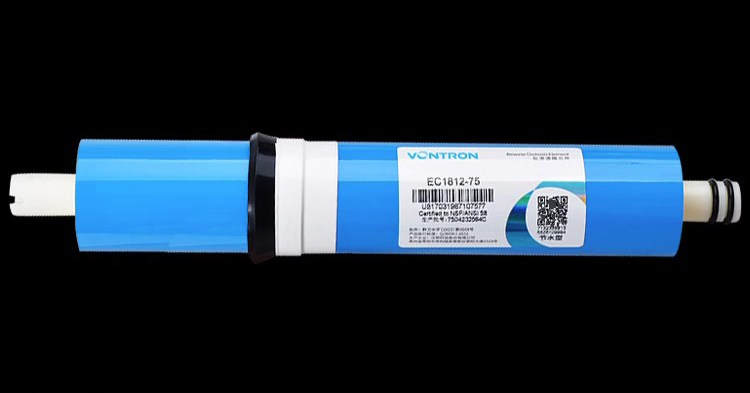
The appearance specifications of the reverse osmosis membrane filter element vary depending on the brand and model. The length, diameter, and interface size of the filter element will meet certain standards to facilitate common use and replacement. Within the range of 1812~3013, regardless of any brand specifications, the ® reverse osmosis membrane filter element is consistent and can be used universally. The desalination rate of the reverse osmosis membrane filter element reflects the filter element's ability to remove salt from the water. The desalination rate of the Mareverse osmosis membrane filter element is between 95% and 97%, which means that the filter element can remove most of the salt and impurities in the water.
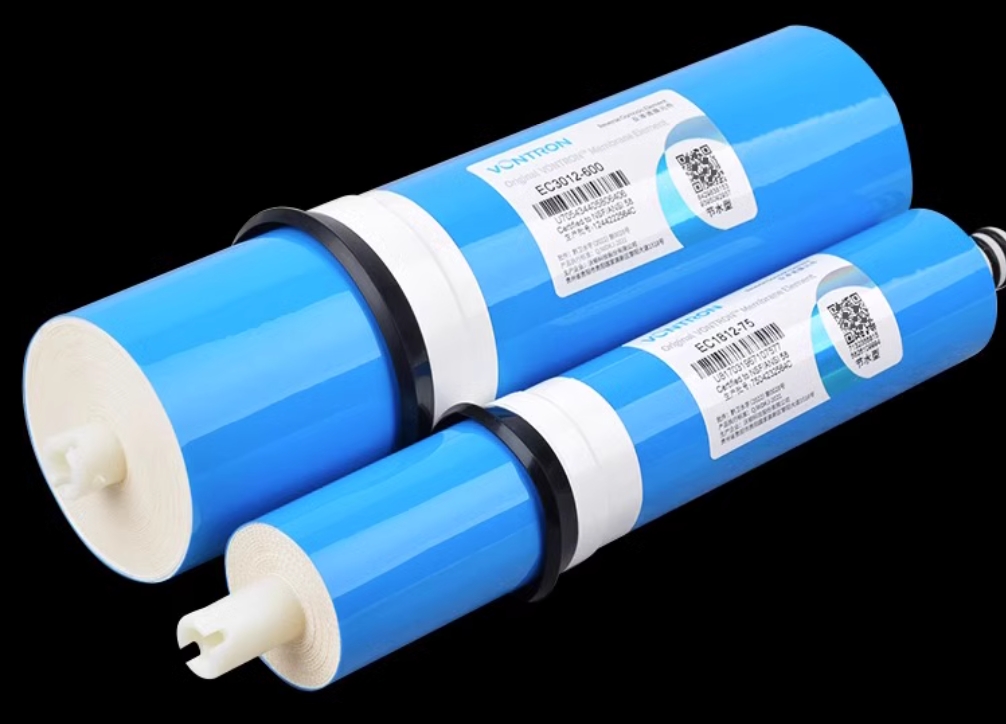
The reverse osmosis membrane filter element using dry membrane treatment technology does not need to add protective liquid during storage and transportation, thus avoiding the odor and pollution problems that may be caused by the protective liquid. In addition, the dry membrane is easier to clean and replace, making it more convenient for you to use.
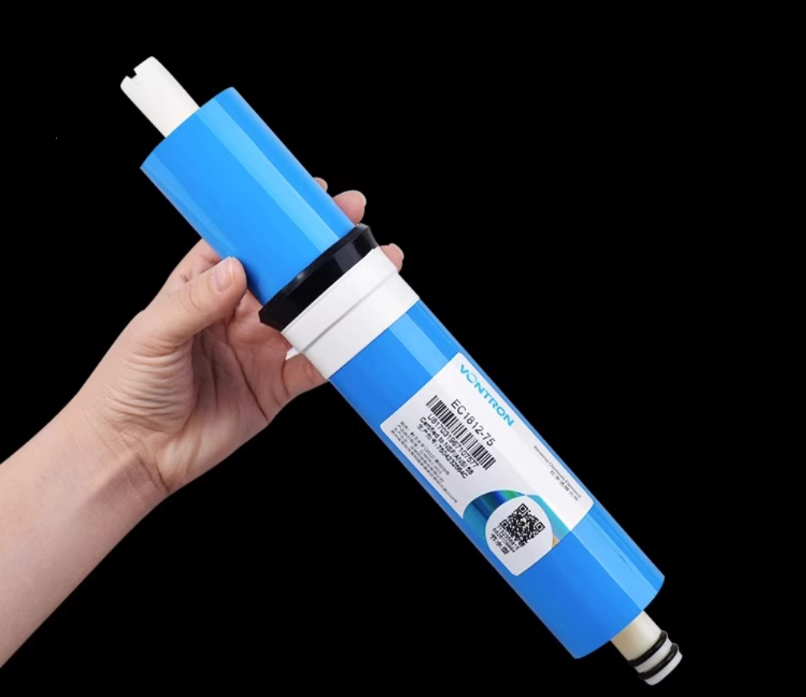
RO membrane labels usually contain basic information such as the filter element model, specifications, production date, expiration date, and related certification marks and quality assurance information. This information is crucial for those who want to understand the performance and quality of the filter element. If you are unclear or have questions, you can consult ® customer service for a more detailed and accurate explanation.
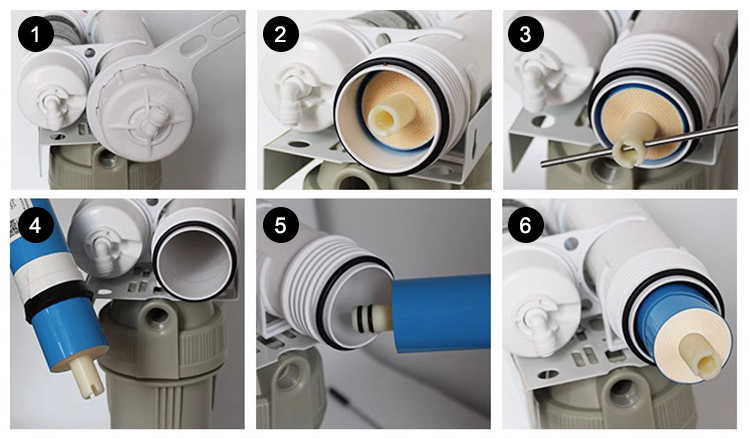
Reverse Osmosis Membrane Filter Replacement Steps
1. Unscrew the bottle cap with a wrench
2. Open the RO membrane you see
3. Remove it with a mold puller or a screwdriver
4. Open the new RO mold packaging bag
5. One end of the double sealing ring is inward
6. Put it in and screw the cap to complete
Frequently asked questions about ® reverse osmosis membrane filter
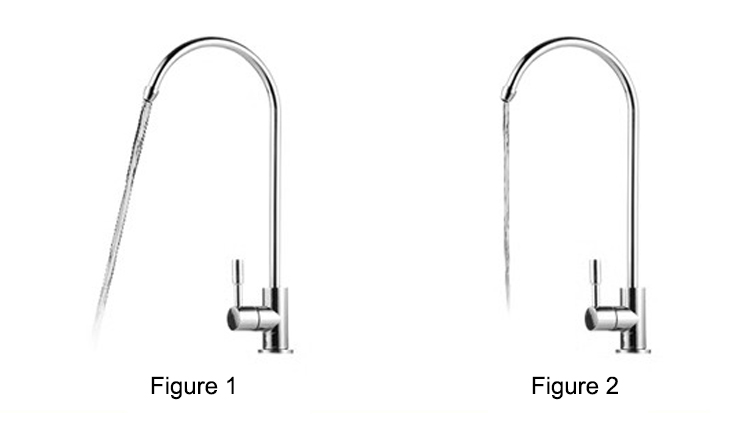
1. Why is the water output so small after changing to a new membrane, but so large after changing back to the old membrane?
Because the old membrane is perforated, there is no filtering effect or
the filtering effect is discounted. When the pressure barrel is closed,
if the water output reaches the effect of (Figure 1), the membrane is
perforated, and the effect of (Figure 2) is normal flow diagram-Figure
2. Why does the TDS value of the RO membrane not decrease after one week of use?
The membrane shell is not compatible enough. Wrap the raw tape around
the double seal ring of the RO membrane and then insert it into the
membrane shell. If the test value starts to decrease, replace the
membrane shell. If the problem still exists after replacing the membrane
shell, it means that the double seal ring of the RO membrane is damaged
and the double seal ring of the membrane needs to be replaced.
3. Why is the TDS value of the RO membrane not stable after use?
When the water temperature drops rapidly (such as a sudden drop in
temperature), the sealing ring of the RO membrane is affected by thermal
expansion and contraction and the sealing performance becomes poor.
Soaking the double sealing ring part of the membrane in boiling water
for about 3 minutes can solve the problem.
4. After replacing the RO membrane, there is still no purified water,
but when the wastewater is turned off, there is purified water?
The pressure before the membrane is insufficient, the water inlet
solenoid valve or the pre-filter is blocked, or the water pump has a
pressure drop.
5. What is the reason for the continuous wastewater after replacing the new membrane?
After replacing the new membrane, the pressure accumulation amplitude
inside the membrane shell changes, and the check valve is prone to
slipping. Replacing the check valve can solve the problem.
6. Why can't water be produced after half a year of use after each replacement of the membrane? What is the reason?
The service life of the membrane is related to the local water quality,
water pressure, purified water volume and daily maintenance and use. It
is recommended to replace it regularly and use a qualified pre-filter
element, and use an 18-second recoil solenoid valve and a larger
wastewater ratio.
7. Why can the old membrane be used for 2 years, but the new membrane can only be used for a few months?
Check whether the sewage outlet is blocked. Under normal circumstances,
the wastewater will be abnormally large 18 seconds before starting the
machine, and the wastewater will become smaller after 18 seconds. If
there is no change in the wastewater after starting the machine, the
wastewater solenoid valve or wastewater ratio is blocked and needs to be
replaced.